Skip to content
How GEO Helps Small Brands Compete With Big Players
For most of the past decade, SEO was a budget war. Domain authority, backlink volume, content quantity: all of it could be bought if you had the spend. The bigger the team, the more links, the more pages, the higher the rank. Small brands could play, but they were usually playing against a stacked deck.
Generative Engine Optimisation changes that dynamic in a way that actually matters. Not because AI search is kinder or fairer as a philosophy, but because what it optimises for is structurally different. AI models reference sources that are clear, specific, structured, and credible. Those qualities are not locked behind a media budget. A focused small brand with genuine expertise in a niche can, with the right approach, get cited in AI generated answers before a larger competitor’s bloated, generic page on the same topic.
What Is Generative Engine Optimisation?
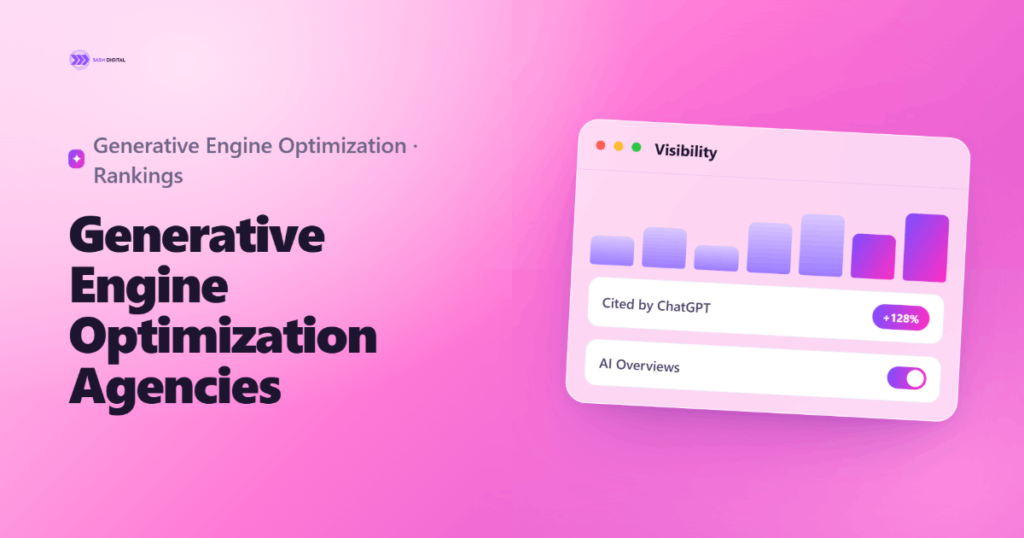
Generative Engine Optimisation (GEO) is the practice of structuring and presenting your content so AI tools can find, understand, and reference it when generating answers for users.
The tools in question (Claude, ChatGPT, Gemini, Perplexity, Microsoft Copilot, and the growing list behind them) do not work like a traditional search engine. They do not return a ranked list of ten blue links. They synthesise an answer from sources they consider trustworthy and well structured, then surface that answer directly to the user. In many cases, the user never clicks through at all. They read the summary and act on it.
GEO is the work of making your brand one of the sources that gets included in that synthesis.
For a deeper breakdown of how this works mechanically, read our full piece on what is Generative Engine Optimisation.
The Old Game vs. the New One
Traditional SEO rewarded scale. More content, more backlinks, more domain authority, and the entity with the biggest operation usually won. That created a clear correlation between marketing spend and search visibility. Expensive, but predictable.
GEO rewards something else. AI models are not optimising for which brand spent more on link building. They are pulling from sources that answer a question well: directly, clearly, with structure the model can parse, and with enough contextual signals to treat the source as credible. A niche focus, specific terminology, factual claims with evidence, clean formatting, clear authorship. None of that requires a large budget. It requires knowing your subject and presenting it properly.
That shift is the real opportunity for smaller brands. Not because the system is rooting for you, but because the things the system rewards are things a focused, expert small brand can actually provide.
Why AI Models Do Not Care About Your Marketing Budget
There is no sponsored position in a ChatGPT or Claude’s answer. There is no auction where you can outbid a competitor to appear in an AI generated summary. The model references sources based on how well they match the query, how structured and readable the content is, and how trustworthy the surrounding signals are.
A small ecommerce brand that publishes a genuinely detailed, well structured guide to choosing gear for senior dogs will, in a relevant query, outperform a large retailer’s generic pet category page. The specific, expert source is more useful to the model than the broad one. A B2B SaaS startup that clearly documents its features, use cases, and integration logic will appear in AI comparisons before a larger competitor whose website is light on specifics and heavy on vague positioning.
AI search visibility is not about size. It is about signal quality. That is where small brands have a real, structural advantage, and the key is using it.
Real Use Cases: GEO for Small Brands in Practice
1. Ecommerce
A small online store cannot outspend Amazon on backlinks. It can, however, own a specific corner of its category in AI answers. This means publishing structured content: buying guides, comparison pages, real customer reviews with detail, and product descriptions that answer the actual questions buyers ask rather than listing specs. When a user asks Perplexity “what should I look for in a hiking pack for trail running,” the brand with a clear, well structured answer to that exact question is the one that gets cited.
2. Service Businesses
Local agencies, consultants, and service providers benefit significantly from publishing structured FAQ content, transparent process pages, and clear scope definitions. AI tools regularly pull from this type of content when answering “how does X work” or “what should I expect when hiring a Y.” A well structured “how we work” page often performs better in AI answers than a polished but vague “about us” section.
3. SaaS Startups
AI comparison queries such as “best tools for X” or “alternatives to Y” are extremely common and increasingly answered directly by AI models. The small SaaS that clearly documents features, pricing logic, integrations, and the specific use cases it serves well will appear in those answers. Vague positioning (“a powerful, flexible platform for teams of all sizes”) gives the model nothing to cite. Specific positioning (“purpose built for agencies managing more than five client accounts”) does.
4. Personal and Creator Brands
Coaches, consultants, and freelancers who publish expert content in a defined niche build brand authority in AI systems over time. When a user asks an AI tool for a recommendation in a specific domain, the expert whose name and expertise appear repeatedly in credible, structured content is the name that surfaces. Consistency and niche focus matter here more than volume.
Content Structures That Help AI Quote You
Not all content is equally usable by AI systems. Some formats make your brand far more quotable, not because of a trick, but because they are genuinely easier for a model to parse and attribute.
- FAQ content is one of the highest performing formats. Direct question, direct answer, minimal padding. Models pull from FAQs constantly because the format matches how retrieval works.
- Step by step guides map well to “how to” queries. A clear numbered structure with a direct outcome is easy for a model to summarise and cite.
- Comparison content (“X vs Y,” “best tools for Z”) feeds directly into the AI answer layer for high intent queries. If you are the source of the comparison, you have a significant advantage in those results.
- Case studies with specific numbers give models concrete, attributable claims to reference. Something like “we lifted AI citation rate by 300% over 90 days” is quotable. “We improved client results significantly” is not. Specific, verifiable claims get cited. Vague ones get passed over.
- Definition and explainer content is particularly strong for AI visibility. Models are regularly asked to define industry terms and concepts. If your brand publishes the clearest definition of a relevant term in your niche, your brand gets cited in that answer. Repeatedly.
Building a GEO Strategy: What Actually Moves the Needle
Good GEO strategy is not complicated. It is disciplined. The brands that see results are the ones that commit to a clear niche, maintain a consistent publishing cadence, and apply structure to every piece of content.
Entity clarity matters more than most brands realise. AI models build a picture of what your brand does, for whom, and in what domain, from the signals you give them. Your site, your author bios, your schema markup, your mentions across the web. All of these contribute to whether a model treats you as a credible entity or an ambiguous one. The clearer that picture, the more reliably you show up.
Trust signals that human readers take for granted, such as real author names, credentials, client references, and factual claims with sources, are also what AI models use to assess credibility. A page with no attributed author, no evidence, and no external references looks exactly as untrustworthy to a model as it does to a sceptical human reader.
Schema markup is still underused by small brands and represents straightforward, high return work. FAQ schema, article schema, and organisation markup all help AI systems read your content accurately. It is not a hack. It is basic structural hygiene that most of your competitors are not doing.
Freshness and consistency signal reliability. A brand that publishes regularly, updates existing content with new data, and maintains an active presence is treated differently from one that published 12 posts three years ago and went quiet.
Niche depth beats breadth. A small brand that publishes 20 pieces of genuinely expert content in one specific area will outperform a brand that publishes 100 pieces of generic content across five topics. AI models respond to topical authority. Own a corner before you try to own the category.
How Sash Digital Approaches GEO
Sash Digital runs Generative Engine Optimisation services as a core offering. Not as an add on to a traditional SEO retainer. The approach is grounded in the actual signals that drive AI citation: entity clarity, structured content, trust architecture, schema implementation, and the kind of niche authority building that compounds over time.
For brands that also need the content produced at volume and quality, we run AI driven content engines on top of the strategy work, meaning the execution keeps pace with the plan rather than stalling at implementation.
GEO works best when it sits alongside SEO rather than replacing it. AI models and Google are reading the same signals in increasingly similar ways. The brands that build proper structure, clear expertise signals, and consistent publishing habits benefit across both layers. That is where the compounding effect comes from.
The Bottom Line
Big brands dominated the old search game because they could outspend on the inputs it rewarded. GEO does not run on the same inputs. It runs on clarity, specificity, structure, and demonstrated expertise. None of that is a function of budget.
Small brands that know their niche well, publish structured content consistently, and clean up their trust signals are already positioned to win more AI citation share than they think. The main thing standing between most of them and real AI search visibility is not resources. It is knowing what to do with the ones they already have.
 Sash Digital
→GEO Visibility Audit
Ready to be the answer,
not the afterthought?
We will map where AI engines mention your category, find the gaps where competitors get cited and you do not, and build the signals that put you inside the answer.
No buzzwords required. Just a straight conversation about your AI search visibility.